
Commack · Huntington · Long Island, NY
Water Damage Drywall Repair in Commack, NY
Calls answered 24/7
Call (631) 600-0014In the first hour after finding water damage on walls, call about drywall repair in Commack, NY. Our local restoration professionals assess damp board and wall cavities, explain removal needs, and plan drying before replacement panels or paint conceal the affected area.
- Calls answered 24/7
- Wall & Drywall Water Damage
- Serving Commack, Huntington and nearby
Assessment through repair: wall service includes
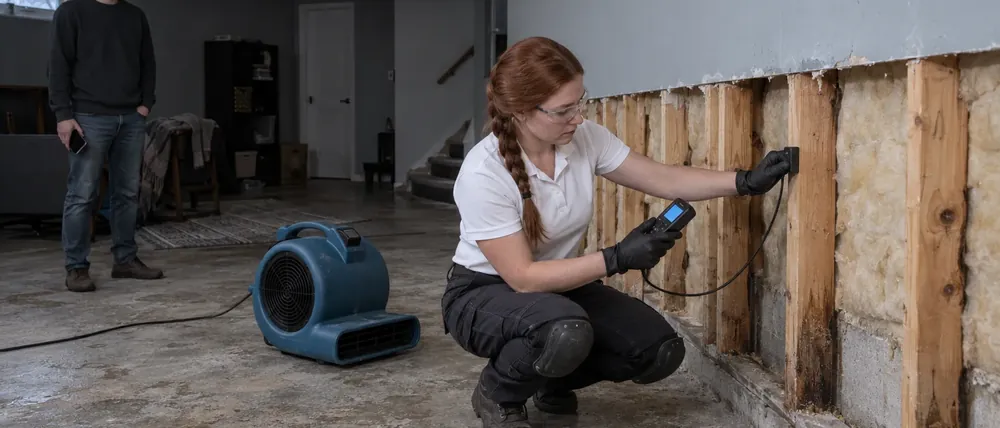
- At inspection: Your technician checks the wet wall, nearby baseboards, and adjoining surfaces. Moisture readings help identify affected areas that aren't obvious from the paint.
- Before opening the cavity: The proposed scope explains access and removal needs. During water damage repair, drywall condition, seam integrity, and the water source inform what remains and what comes out.
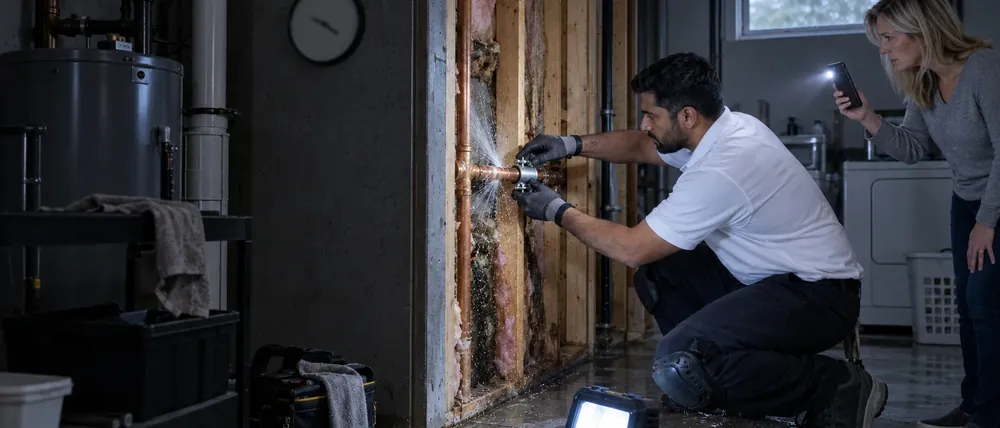
- Once access is safe: Damaged panels and insulation identified in the scope are removed. The opening gives access to wet framing and enclosed surfaces.
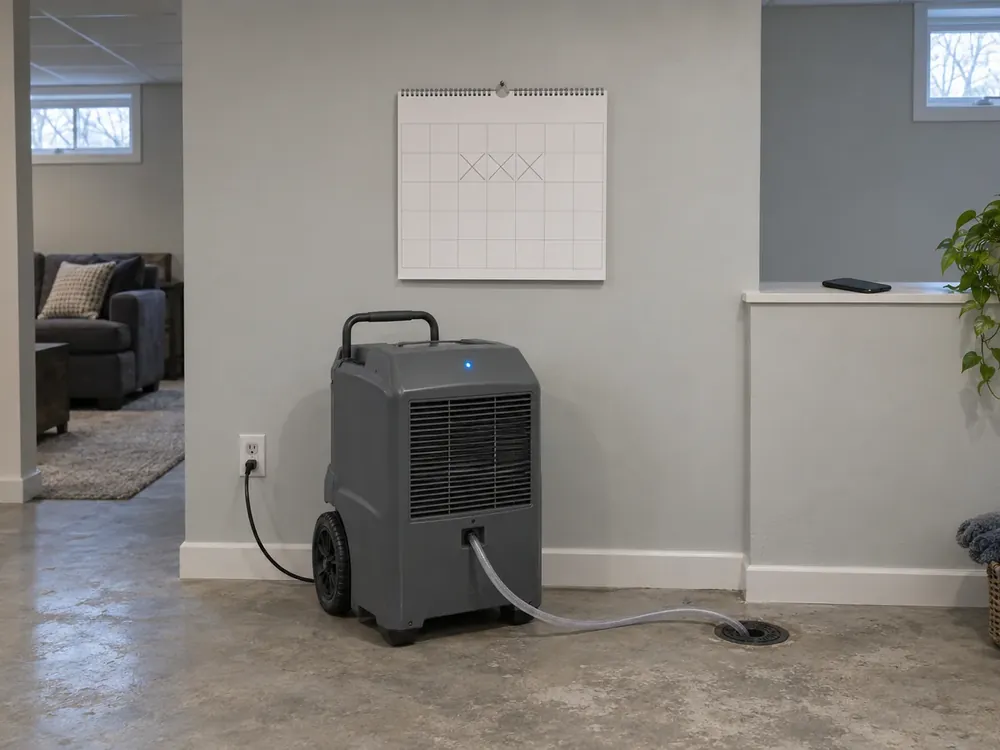
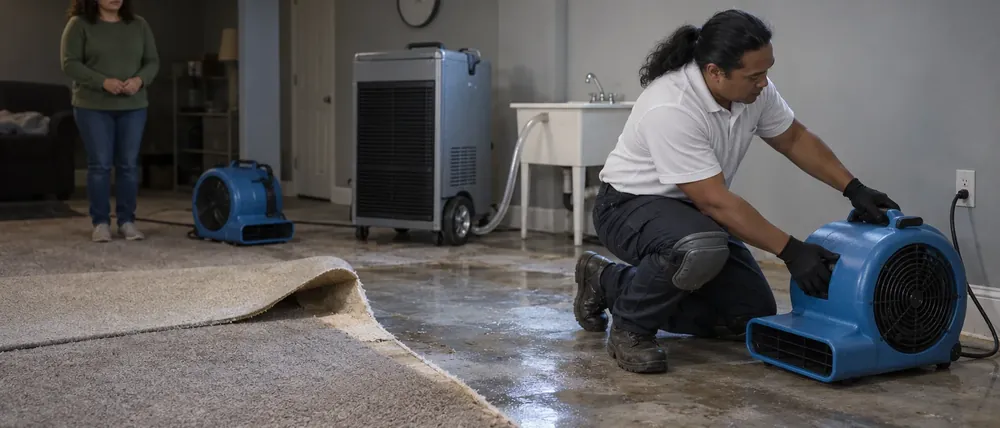
- As drying progresses: Equipment placement and repeat checks follow the condition of the wall assembly. Your technician records moisture readings and explains changes to the drying plan.
- Before rebuilding: Water damage wall repair includes assessing readiness for replacement board and finishes. Patching, trim, and painting are listed in the scope so you can see the remaining work.
As damage appears: wall signs to report
- When water reaches electrics: A wet outlet, switch, or wall-mounted fixture means keep away and call from a dry location.
- As the board changes: Bulging panels or separating seams need attention without pressing or peeling the surface.
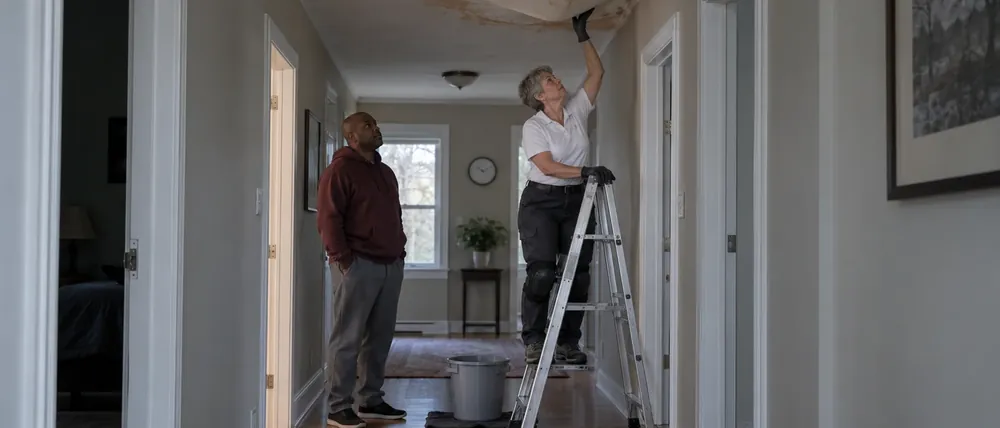
- During a leak: Paint bubbles, spreading discoloration, or wet baseboards show where moisture is appearing.
- After visible water recedes: A soft wall edge or lifting trim warrants a closer assessment.
- When dampness persists: Musty odors are a reason to report ongoing moisture and its general mold risk.
From your call: inspect, open, dry, repair
- First hour: Call and describe the affected wall, nearby electrical fittings, and any active water. Observations help frame the request without requiring you to open the wall.
- At assessment: Your technician maps moisture and explains whether the board and insulation need removal. Photos and a written scope document the proposed work.
- Across the drying stage: Accessible framing and retained materials receive drying and repeat checks. EPA notes that flood drying can take several days to weeks; a wall's condition sets its schedule.
- Before rebuilding: Readings guide when replacement panels and finishes proceed. Your technician reviews the repair scope and any remaining moisture concerns.
Before work: what sets drywall repair cost
Before work begins, water damage drywall repair cost depends on the wall area, cavity access, insulation, contamination, and the amount of board that needs replacement. Trim removal, cabinets against the wall, drying equipment, and finish matching can add tasks beyond a simple patch. The visible stain alone doesn't establish the scope.
Your discussion with one of our local restoration partners will cover the proposed wall work and its cost before the job begins. During that conversation, ask how removal, drying, new board, joint finishing, and painting are described. Read the water damage cost guide for more detail on the factors behind the scope.
At the first call: a clear wall repair path
- When a wall becomes wet: Calls answered 24/7 give you a place to start, even when you discover damage overnight.
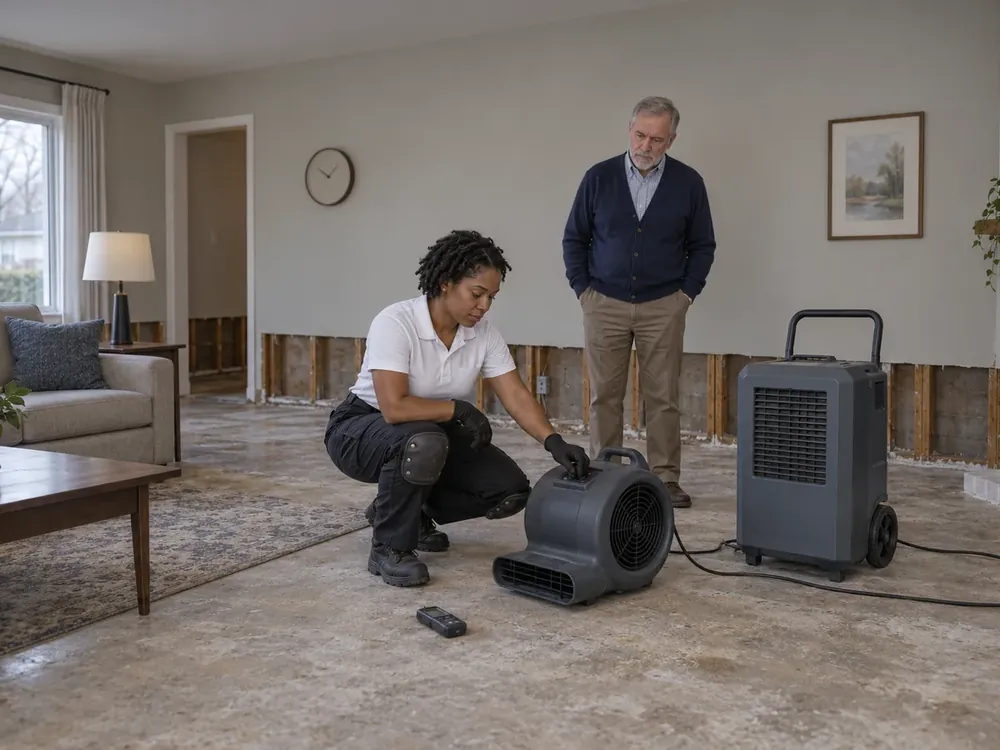
- As your request moves forward: A local restoration technician addresses the wall damage described during your call.
- Before removal or drying: The proposed work and price are explained, including the distinction between drying and finish repairs.
- Through the work stages: Photos, recorded moisture readings, and a written scope provide documentation for insurance and help explain the repair sequence.
First minutes onward: protect people around wet walls
In the first minutes, keep away from wet outlets, switches, and exposed wiring while you call. CDC electrical safety guidance says not to operate power controls through standing water. An electrician should handle access when reaching the controls would be unsafe.
During the first hour, keep children away from damaged wall areas. Don't remove panels or reach inside a cavity to look for the leak. Report any water near electrical fittings without touching them.
As the room is assessed, avoid aiming fans at material exposed to sewage or unknown contamination. EPA's clean-water guidance warns against using fans until the water is known to be sanitary. Leave removal and drying decisions to your technician.
Related water damage services
Areas we serve around Huntington and Commack
At the first sign of a wet wall, call for drywall assessment and cavity drying across Commack, Huntington, and nearby Long Island communities, plus Greenwich, Stamford, Norwalk and Bridgeport in Connecticut.
Wall & Drywall Water Damage FAQs
Does wet drywall always need to be removed?
At assessment, drywall wet from clean water may remain if the board isn't swollen and its seams are intact. Broken, swollen, or contaminated panels need a different approach. Your technician checks the wall assembly and explains the proposed removal area. Keeping a panel depends on its condition and whether enclosed moisture can be addressed.
Can I just paint over a water stain on the wall?
Before painting, the moisture source must be addressed and the affected materials assessed for drying or replacement. Covering the mark doesn't establish that the cavity is dry. After water damage repair, wall finishes follow the drying assessment and the agreed scope. Report a stain that returns, spreading discoloration, or loose seams during your call.
How does water get behind drywall?
During a leak, water can enter a wall cavity through plumbing failures, overhead leaks, or openings that admit rain. Moisture can also travel into walls from standing water at floor level. The wet spot doesn't necessarily identify the entry point. Your technician assesses the moisture pattern and explains when separate source repairs are needed.
How long does a wet wall take to dry?
During drying, a wet wall's schedule depends on moisture depth, insulation, access, and material condition; flood-soaked assemblies can take several days to weeks. Your technician uses repeat readings to assess progress. A dry painted face doesn't establish that framing or the cavity is ready to close. Replacement and refinishing follow the drying assessment.
What should I report when I call about wall damage?
At the first call, describe the room, visible wall damage, active water, and any nearby wet electrical fittings. You can share when you noticed the change without measuring the wall or removing trim. Call from a safe place now. Your technician uses the observations to begin the assessment and explain the next work stage.
Call now about wet drywall and share where the stains, loose seams, or damaged baseboards are appearing.
Call (631) 600-0014