When you discover water: start the conversation
When you discover water, Ironwood Water Damage gives you a place to begin arranging restoration around Huntington, Commack and surrounding Long Island communities. Calls answered 24/7 let you describe the damage when it appears. Explain the affected room, whether the water is still entering and any hazards visible from a safe position. You can call without identifying every damaged material.
During the opening conversation, details about a pipe leak, appliance overflow, rainwater entry or sewage backup help focus the request. Say what you observed and what remains unknown. A ceiling stain and a wet basement can require different assessments. The address and access details help move the request toward an inspection of the actual home.
After contact: understand the work ahead
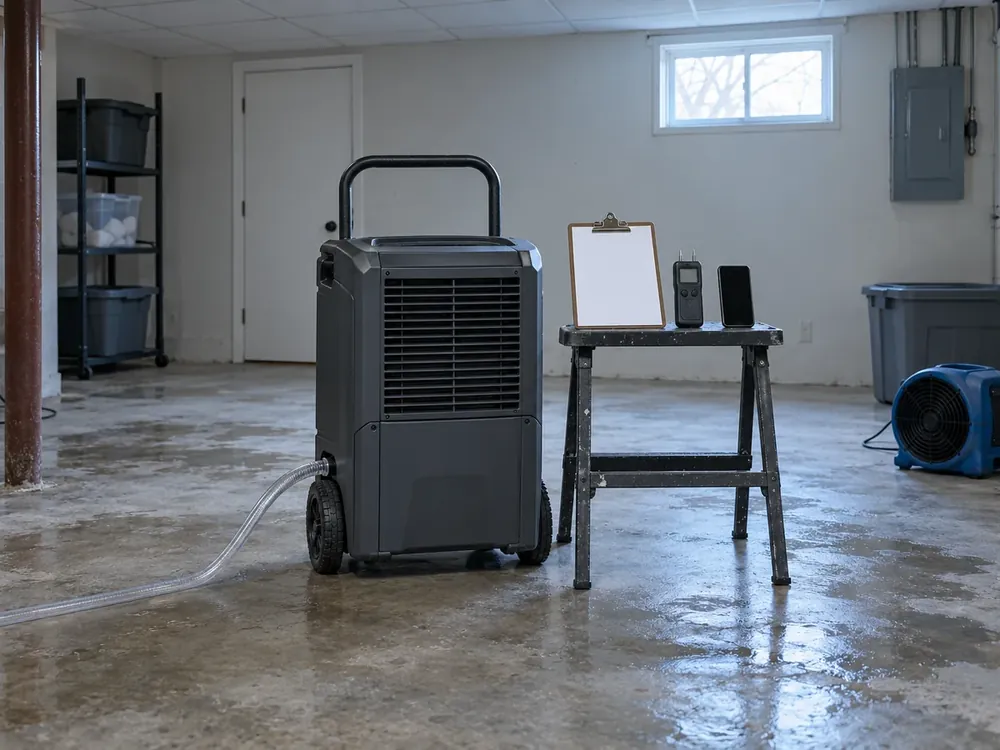
After contact, the restoration professional handling your request sets the visit schedule and performs the agreed work. At the property, your technician inspects the damage, checks moisture and explains extraction and drying options. Damaged finishes and hidden wet materials are part of the assessment. Plumbing or roof repairs address the source where another trade is needed.
Before any work begins, one of our local restoration partners explains the proposed charges and scope directly to you. Discuss equipment, monitoring, material removal and the remaining repair work. Keep the written description and ask how changes will be documented if inspection reveals another wet area. Clear pricing discussions start with the conditions found in your home.
During recovery: keep track of progress
During recovery, your technician uses moisture readings to assess drying progress and readiness for repairs. The site's restoration timeline explains the sequence so you can follow those decisions. Extraction removes water; drying addresses moisture remaining in building materials. Finishing work follows the assessment of what can be retained and what needs replacement.
At the close of the drying stage, retain photographs, the work scope, readings and invoices as documentation for insurance. Those records describe the condition of the home and the work performed. Your insurer decides coverage. The next repair discussion should make the remaining tasks clear, from replacing a damaged wall section to restoring the floor finish.